


Have You Seen A Tegu?
mrandolphadvance@gmail.com
The Georgia Department of Natural Resources is asking local citizens to be on the lookout for South American tegus, an exotic species that invaded the area in recent years.
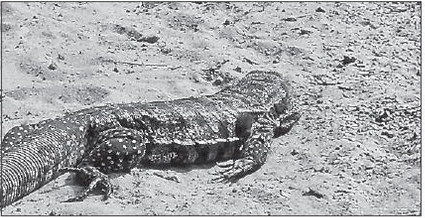
The Argentine tegu – a large black and white lizard – is a threat to native wildlife, and is believed to have infiltrated the area after the lizards escaped or were released by people housing the animals as pets.
The reptile eats the eggs of ground-nesting birds (like quail, turkeys, and whipporwills), and reptiles (such as alligators and gopher tortoises). The tegu has also been reported to eat chicken eggs, fruit, vegetables, plants, pet food, and even small animals.
Farmers and livestock owners are also concerned about the tegu population, as the lizards may spread exotic parasites to Georgia wildlife and could cause a bacterial contamination of crops. The reptiles’ presence may also cause people to become sick, as the tegu is a carrier of salmonella.
Because the species is not native to the area, tegus can be trapped or killed in the wild, even while on private property if the individual has permission from the property owner and abides by local ordinances. Yet, even if the lizards are dead, the Georgia Department of Natural Resources is asking citizens to report sightings of the species, as the Department is working to gauge the spread of the tegus – which were previously primarily seen in Tattnall and Toombs Counties – throughout the region.
Georgia Department of Natural Resources officers can also provide loaner traps, advice, and monitoring in areas where multiple tegus are reported, as the Department and public work together to find and control the population of the reptile, which can generally survive in any habitat, diet, and climate.
Toombs County residents are encouraged to keep pet food inside, fill holes that might serve as shelter and clear yards of brush and debris that can provide cover for tegus.
If you find a tegu in the wild – dead or alive – take a photo if possible and report the citing and location to the Georgia Department of Natural Resources by calling (478) 994-1438, emailing gainvasives@dnr. ga.gov, or visiting gainvasives. org/argentine-blackand- white-tegu.