

Confessions of a Novelist
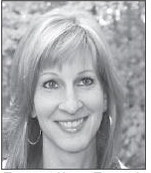
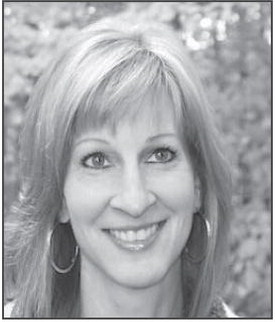
Way back when, when I was a young elementaryschool girl, I’d sit crosslegged on the wooden floor of our Warner Robins home with a stack of picture books piled beside me. I’d lose an hour turning the pages and thinking about the stories. So I don’t think it really surprised anyone that I would want to write my own story one day.
Here’s how my plan was supposed to go: I’d leave my engineering career behind, take up freelance writing, and use nonfiction to learn the craft. I’d sell some articles, get comfortable weaving words together, make a name for myself, and then once I developed the skill and a following of readers, I’d sit down and write the Great American Novel.
Well, I’ve written thousands of nonfiction articles since then—pieces on my family, cotton farming, on journaling, on Jimmy Carter, on seed swaps, on Bigfoot, on greenhouses, on the Fountain of Youth, on America’s 250th birthday, and an array of topics that appear in this very column you’re reading. The craft-building part of my plan has worked just fine.
But the novel part hasn’t gone as well.
I’ve learned that writing fiction is much different than writing nonfiction. In nonfiction, I’m simply explaining something I’ve learned or sharing a story that someone has told me. In fiction, I’m making it all up as I go. The story is in my head, and I alone must pull it out of there and put it on paper in a magical, compelling way that folks enjoy reading. It’s harder than it sounds.
A few years back, I got started with The Mercy Tree. It’s about a young woman, Lucy, with an inoperable brain tumor who joins an experimental drug trial that actually shrinks her tumor. After she’s on the drug for several weeks, she begins having very realistic visions of loved ones who’ve passed on. She suspects she’s hallucinating (perhaps due to the experimental drug), but she keeps quiet, terrified they’ll toss her out of the study if she tells. The story showcases characters from my beloved South, with complicated family dynamics and a few big surprises thrown in for good measure.
I’m over halfway through it, but I’ve been over halfway through it for a while now.
The trouble has to do with priorities and simple arithmetic: The billpaying work comes first, and by the continued from page
time I’ve spent my creative juices on writing that earns money, there’s not much left in the tank for my novel. A couple of writer friends and I meet once or twice a month, lock ourselves in a library study room, and work on our novels. We call these sessions Accountability Days, and no socializing is allowed until lunch afterward. I make good progress on those days, but not nearly enough.
I’ve also set deadlines for myself. They never hold. I know they’re artificial, and knowing that seems to be all the permission I need to blow right past them. I’d hoped to have a first draft done before August this year. That ship has sailed. I’ve adjusted my deadline to the end of the year.
Some nights I lie awake wondering if I’ll spend years on this thing and it won’t matter to a single soul—won’t earn a penny. Other days, I read what I wrote last week and think it’s the best writing of my lifetime—then read it again a week later and wonder who let me near a keyboard. Turns out those feelings of self-doubt and frustration are not unique. That’s just what being a writer feels like a lot of the time.
So will I finish it? Yes. I may have to retire first, but yes, I’ll eventually finish it.
I keep wondering how the great book authors of the world managed to work a day job and write their novels. Whatever their secret is, I intend to find my own version of it and get The Mercy Tree onto a shelf at Barnes & Noble before I die.
In the meantime, I’ll keep showing up to my Accountability Days. I’ll keep chasing my artificial deadlines, even knowing I’ll probably miss the next one too. I’ll keep believing that my story deserves to be told. That’s enough to keep me going. And going— it turns out—is how novels eventually get finished. One writing session at a time.




out of
Posted on