
Leesa Hagan: 2026 Session Week 2 Update
Budget Week is in the Books
Last week, I returned to the State Capitol with other members of the House and Senate Appropriations Committees for the second week of the 2026 legislative session commonly known as budget week. It’s an important few days focused on reviewing state spending and budget requests.
Budget week centers on the Georgia Constitution’s primary requirement for the legislature. Each year, we must pass a balanced budget. That responsibility shapes much of our work during session. We spent the week in joint hearings listening to Governor Kemp, department and agency leaders, and reviewing funding requests.
Budget Week and the Legislative Process
Governor Brian Kemp began the hearings by presenting his budget recommendations. These presentations inform two separate budgets. The first is the Amended Fiscal Year 2026 budget, which adjusts spending for the remainder of the current year ending June 30. The second is the Fiscal Year 2027 budget, which sets spending priorities beginning July 1, 2026.
This process allows legislators to compare projected revenue with actual collections and adjust accordingly. It also gives committees an opportunity to ask questions about how agencies plan to use public funds. For rural districts like the 156th, these discussions matter because budget decisions affect everything from education to transportation, from healthcare access to support for agriculture and forestry.
As Chairman of the House Rural Development Committee, I’m most interested in how proposed spending impacts smaller communities like ours. Rural areas often face different challenges than metro regions, and budget choices should reflect those realities.
Revenue Estimates and Budget Proposals Governor Kemp’s Amended Fiscal Year 2026 budget is based on a revised revenue estimate of $42.3 billion. That figure includes $3.3 billion in undesignated surplus funds. In total, the adjustment equals $4.5 billion, which represents an 11.9% increase over the original estimate.
The proposed Fiscal Year 2027 budget uses a projected revenue estimate of $38.5 billion. That amount reflects an increase of 2% over the original Fiscal Year 2026 estimate.
These figures guide decisions across state government.
Next Steps in the Budget Process
Now that budget week is over, the House Appropriations Committee will begin the work of refining the governor’s proposals. Committee members will review agency requests line by line and make adjustments where needed. Then, the full budget will come before the House for debate and a vote. Once approved, the budget moves across the hall where senators will conduct their own review and make changes as they see fit. Any differences between the House and Senate versions must be resolved before a final budget can pass. This process ensures multiple layers of review before taxpayer dollars are committed.
I will continue sharing updates as the budget process moves forward. If you’d like to see the governor’s proposed budgets for the remainder of 2026 and 2027, you’ll find the link on my website.
Visitors to Atlanta
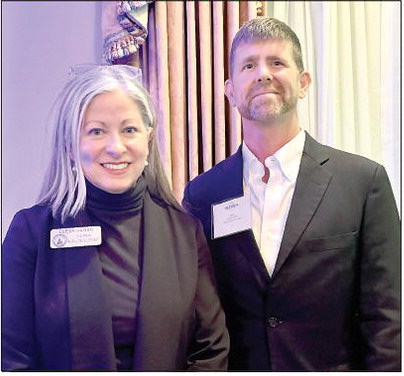
Every year the Georgia Transportation Alliance hosts a reception for its members and legislators. Arren Moses was there, and we spent some time talking about his business, Moses Grass Company.
Thank you for the great honor of serving as your state representative. It is my privilege to continue this work on your behalf.
By Leesa Hagan R-Vidalia (District 156, Georgia House of Representatives)