Leesa Hagan: - 2026 Legislative Session Week 11 Update
Leesa Hagan:
My House colleagues and I completed the 11th week of the 2026 legislative session last Friday, and the finish line is now in sight. With Sine Die scheduled for April 2, these final days carry significant weight. Any bill that does not reach final passage by then cannot become law this year. Therefore, our focus remains on thoughtful decisions that impact families, businesses, and communities across Georgia.
Protecting Trust and Strengthening Accountability One of the most serious measures we advanced this week was SB 542, which received final passage in the House. This bill addresses misconduct by individuals in positions of spiritual authority.
SB 542 creates two new criminal offenses related to improper sexual conduct by clergy members. It applies when a clergy member uses a position of trust, influence, or authority to engage in coercive or inappropriate conduct. The bill clearly defines these relationships, including counseling, mentorship, and spiritual guidance.
Penalties reflect the seriousness of these violations: First degree oens es carry one to 25 years in prison and fines up to $100,000 Second degree of fenses begin as high and aggravated misdemeanors, with repeat offenses elevated to felonies In addition, the bill establishes a 15-year statute of limitations. This provision gives victims more time to come forward. Abuse of trust in any form deserves accountability. This measure reinforces that principle and protects individuals who place their faith and confidence in others. Education and Student
Focus
The House also gave final passage to HB 1009, which now heads to the governor for consideration. This bill addresses classroom distractions by limiting student access to personal electronic devices during the school day.
Under HB 1009, students in grades nine through 12 will not be allowed to use personal devices such as smartphones, smartwatches, or tablets during school hours. However, exceptions apply for students with IEPs, Section 504 plans, or medical needs.
School systems must also: Maintain policies that prohibit device use during the school day Provide secure stor age options such as lockers or designated classroom spaces Review and update these policies annually As a former teacher, I understand personally how disruptive these devices can be in the classroom. While technology has its place, constant access can pull attention away from learning. Based on earlier success in younger grades, this step will likely improve focus and classroom
engagement. We also advanced SB 150, which supports Georgia’s education workforce. The bill allows retired teachers to return to classrooms in high-need subject areas. Importantly, these educators may continue receiving retirement benefits while working. For rural communities, experienced teachers can make a meaningful difference. Filling classroom gaps remains a priority for many school systems across the state.
Mental Health and Foster Care Review Another important measure reaching final passage this week was SB 428. This bill focuses on individuals with serious mental health needs who often fall through gaps in the system. The bill allows the Department of Community Health to request federal approval for expanded Medicaid services. These services would support those over age 21 who have a history of incarceration, homelessness, or repeated hospitalization.
By providing access to home and communitybased care, the bill promotes earlier intervention. In many cases, consistent support can prevent crisis situations that lead to emergency care or incarceration.
We also adopted SR 622 to examine the rising costs of Georgia’s foster care system. Currently, nearly 10,000 children are in state custody. Meanwhile, out-of-home care costs have increased sharply in recent years.
This study committee will review: Service delivery
models
Cost drivers and funding sources Opportunities to im prove efficiency and outcomes Stable and eective support systems matter, especially for vulnerable children.
Public Safety and AI Safeguards The House also gave final passage to SB 547, which strengthens penalties for human traffickingrelated crimes. By classifying pimping and pandering as felonies from the first offense, the bill ensures consistent accountability.
In addition, we passed two measures addressing the growing influence of artificial intelligence: SB 540 requires safe guards for AI chatbots, including disclosure and parental controls SB 594 creates penal – ties for deceptive AI use in elections and exploitation involving minors These steps help ensure that new technologies are used responsibly while protecting vulnerable populations.
Additional Bills Passed
The House passed several additional measures this week, reflecting a wide range of issues from public safety to transparency and consumer protection. These include: SB 306 allows con solidation of conservation use property covenants and improves notification options for landowners SB 442 requires re vocation of commercial driver’s licenses when a noncitizen’s visa expires SB 443 increases penalties for obstructing roadways and establishes civil liability for damages. The goal of this bill is to address the increasing use of transportation obstruction during protests SB 472 strengthens oversight of local school systems and addresses financial mismanagement SB 503 updates Georgia’s insurance laws, increases fraud penalties, and creates a storm damage mitigation grant program SB 605 expands grounds for discipline or removal of district attorneys and solicitors general Bills Awaiting Senate Passage Two bills I’m sponsoring have passed Senate committee unanimously and are awaiting a vote in the Senate chamber.
HB 1142 would create a repeat domestic violence offender registry for Georgia, only the second in the nation. Those convicted twice of a domestic violence offense would appear on the registry which would be maintained by GBI. It would provide a practical tool to check for a documented pattern of abuse before entering a new relationship. That matters because domestic violence often starts with warning signs that are easy to miss. Better access to information can help people make safer decisions and protect themselves and their children. I remain hopeful that the Senate will pass this life-saving legislation, which passed the House unanimously, before the end of session.
HB 657 would establish definitions and guidelines for Georgia’s many recovery community organizations (RCOs). Georgia currently has the most RCOs of any state, and this bill would ensure consistency of care and support for anyone on their journey through recovery. All RCOs in the state, including Gardens of Hope in Lyons, are in support of this legislation.
Hopefully in my final session newsletter, I’ll be able to report that both bills received final passage.
Recognizing a Star
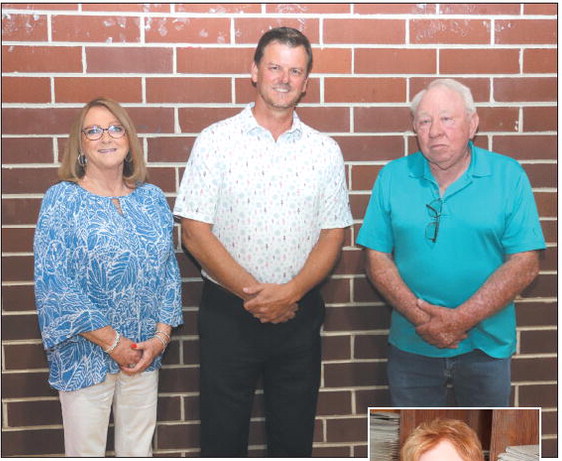
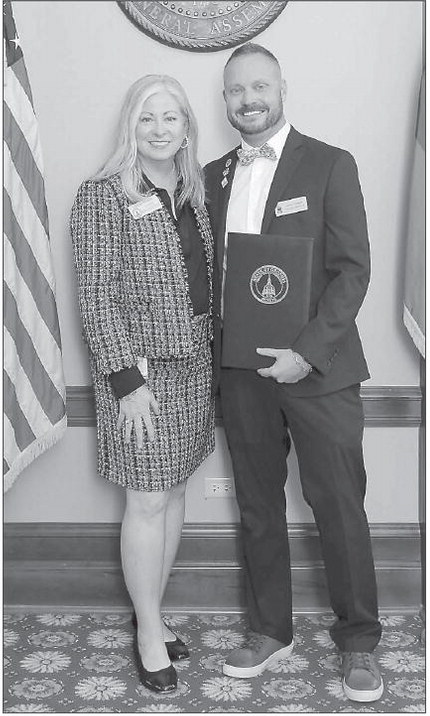
Vidalia’s own, Jason Colbert, was recognized as the 2026 TCSG Student of the Year last week. In his House chamber remarks, he spoke with warmth and humility and expressed gratitude for the role technical education played in his journey. Jason represents Southeastern Technical College, our region, and the promise of workforce education exceptionally well.
By Leesa Hagan R-Lyons (District 156, Georgia House of Representatives)