

The Mid-Year Pivot: Where Student- Athletes are Made
In the academic world and the public sector, January represents a fresh start—a new semester, a new fiscal year, a clean slate. However, in the realm of high school and college athletics, the turning of the calendar is rarely a beginning. It is the most critical pivot point of the year. It is the bridge between the pageantry of the fall and the grind of the winter, a time when the identity of a team is solidified and the foundation for future champions is poured in cold weight rooms.
For the college landscape, the new year brings immediate finality. The first weeks of January are dominated by the culmination of the football season. While the rest of the campus is on winter break, programs are finalizing the results of months of labor. The College Football Playoff and the final tier of bowl games strip away the speculation of the rankings. At this level, January is not about resolutions; it is about results. It is the harsh reality where recruiting stars and preseason hype collide with the scoreboard. Simultaneously, the relentless modern machinery of college sports churns in the background. The transfer portal and final recruiting pushes for National Signing Day mean that coaching staffs are building next year’s roster before the current year’s confetti has even been swept up.
Transitioning to the high school level, January signals a distinct shift in intensity for winter sports. Through November and December, basketball and wrestling teams often navigate non-region schedules and holiday tournaments. These games are important, but they often allow for experimentation with lineups and rotations. Once the calendar hits January, the dynamic changes. Region play begins in earnest. The travel becomes local, the rivalries become heated, and every possession carries the weight of playoff seeding. This is the stretch of the season that tests a coaching staff ’s ability to adjust and a roster’s depth. The “freshness” of the new season is long gone; players are nursing nagging injuries and battling the fatigue of the school year. This is where discipline separates the contenders from the teams that simply had a good start.
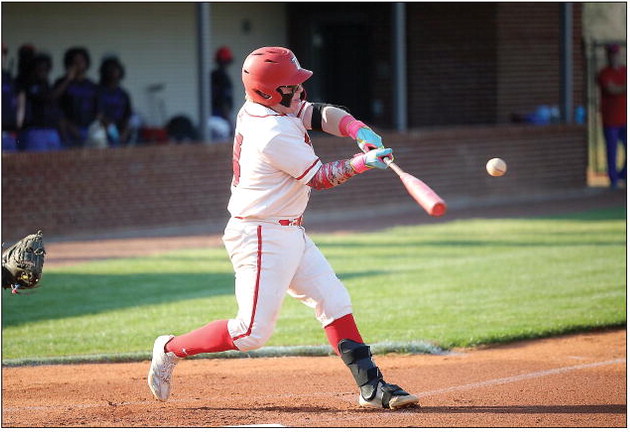
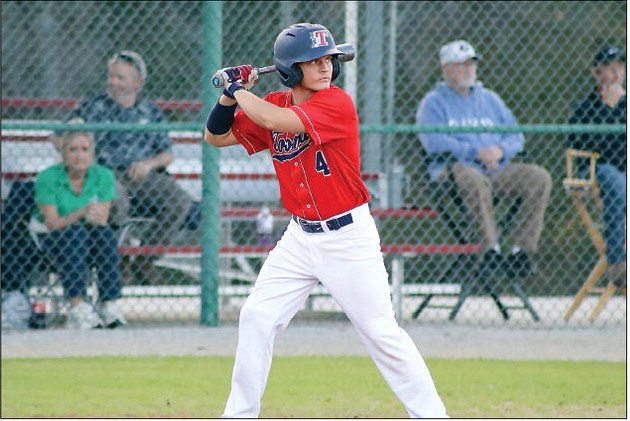
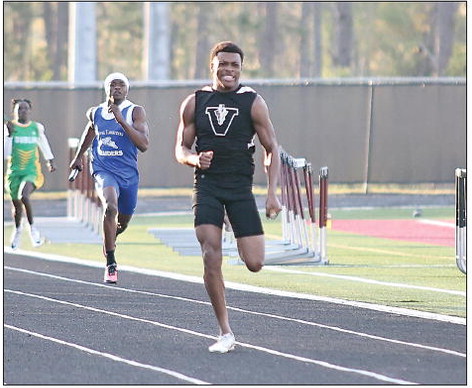
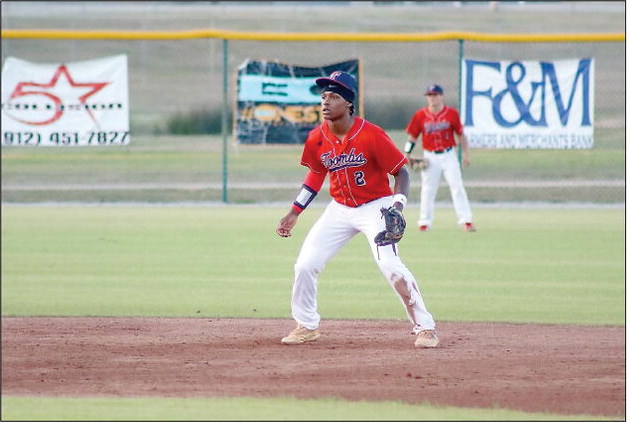
Perhaps the most overlooked aspect of the new year in amateur sports is what happens away from the lights. For high school football, baseball, soccer, and track athletes, January is the month of “quiet work.” The new year marks the return to the weight room and conditioning fields. While the stands are empty, the ground- continued from page
work for next fall’s Friday nights is being laid. It is a grueling period of offseason conditioning that offers no public glory, only the internal promise of improvement. For the high school athlete, the discipline established in the cold days of January is directly proportional to the success experienced in the heat of August.
Furthermore, the “student” aspect of the student-athlete equation comes into sharp focus. The start of the spring semester brings a reset in academic eligibility. For high school and college programs alike, this is an administrative hurdle as much as an athletic one. Roster availability can shift overnight based on fall semester grades, forcing coaches to adapt on the fly. It is a reminder that unlike the professional leagues, these organizations are tethered to the academic calendar.
Ultimately, the new year in scholastic sports is about transition. It is the time when the seniors in fall sports realize their careers are over, and the underclassmen realize the mantle of leadership has shifted to them. It is when basketball teams stop playing for development and start playing for survival. It is a time of hardening. The holiday break provides a brief respite, but the return to campus in January demands a mental toughness that defines the remainder of the athletic year. The calendar year may be new, but the mission remains the same: execute, improve, and compete. `